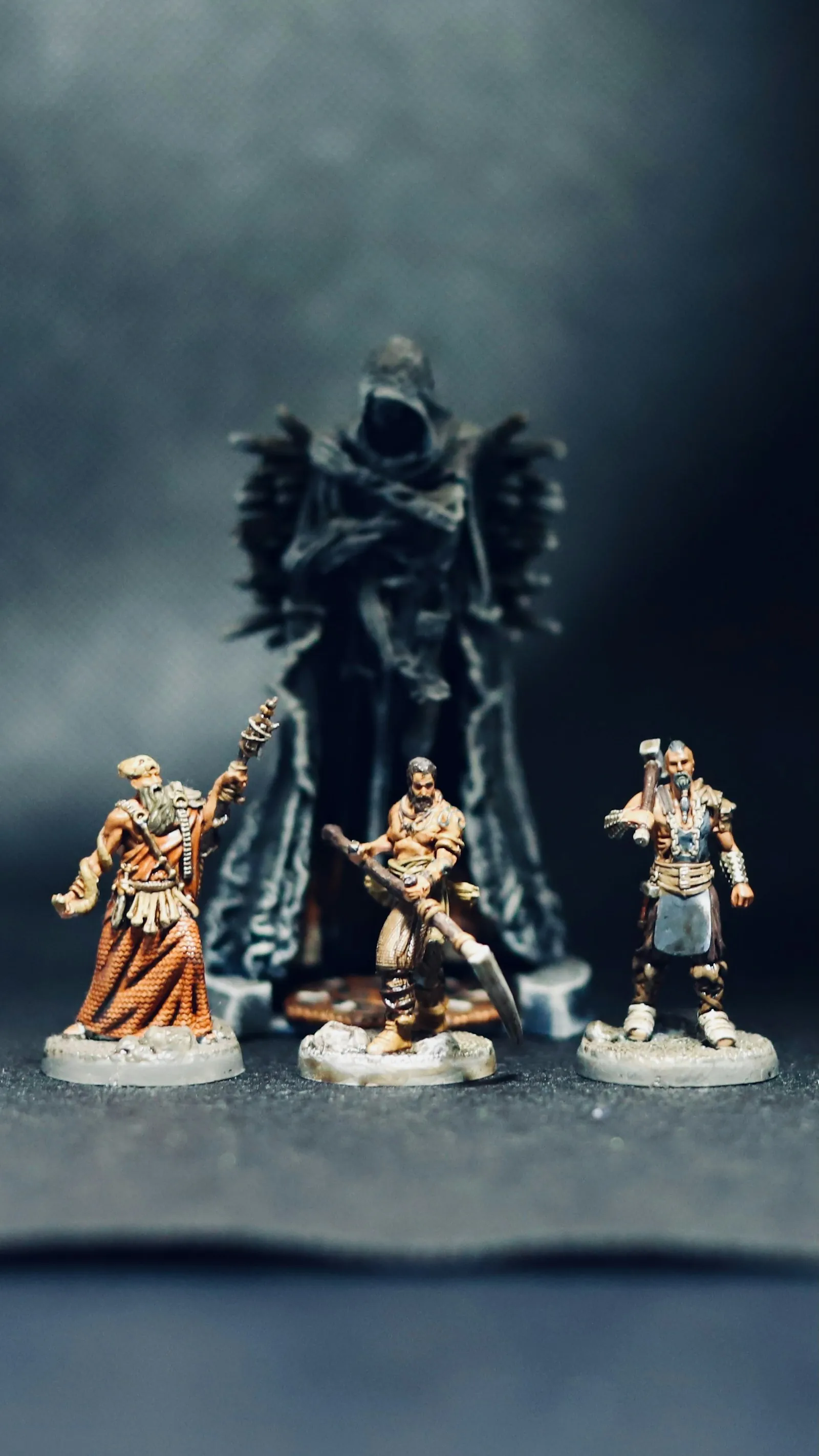
How to Paint Miniature Bases: A Step-by-Step Guide
By BrushBench . 9 min read . Updated June 2026
The base of a miniature is seen in every photo, every game, and every display shelf shot. A bare black base signals an unfinished miniature regardless of how well the figure itself is painted. The good news is that basing is one of the fastest, most forgiving techniques in the hobby. A basic natural earth base using Citadel Stirland Mud Texture Paint, a shade wash, a drybrush, and a couple of Gamers Grass Wild Tufts (Mixed) takes under twenty minutes and looks genuinely convincing. This guide covers that process in full and branches out into cork rock effects and water features using AK Interactive Still Water Effect.
Quick answer
Apply texture paste like Citadel Stirland Mud or PVA-mixed fine ballast and let it cure. Paint with a dark earth tone, shade with Agrax Earthshade, and drybrush a lighter highlight. Glue on static grass tufts as accent points and seal with matt varnish. The process takes 15 to 20 minutes per base and dramatically improves any painted miniature.
This guide contains affiliate links. BrushBench may earn a commission at no cost to you.
The core earth base: texture paste, shade, drybrush
Citadel Stirland Mud Texture Paint applied directly from the pot with an old brush is the fastest route to a finished-looking base. Load a medium amount on the brush and stipple it onto the base, working it to the edge without going over the rim. The texture is self-contained once it dries and does not need any other material layer.
Allow the texture paste to cure completely, usually thirty to sixty minutes. Do not rush this step. Applying paint over partially cured paste can lift the texture and leave muddy patches.
Once fully dry, paint the texture with a dark brown like Citadel Mournfang Brown or Vallejo Flat Earth. This establishes a unified colour tone across the gritty surface. Follow immediately with a heavy wash of Agrax Earthshade: apply it liberally over the entire base surface and let it flow into the crevices. The wash darkens the recesses and creates depth instantly without any blending.
When the wash is dry, drybrush a lighter tone like Citadel Ushabti Bone or Vallejo Iraqi Sand over the surface with a stiff, splayed brush. Dry brushing on texture catches raised points and leaves recesses dark, adding the highlight dimension that makes the surface read as three-dimensional. Keep the pressure light and the brush nearly dry to avoid clouding the wash work.

Citadel Stirland Mud Texture Paint
Ready-to-use thick-texture paste that dries to a convincing gritty earth finish, the single fastest way to get a painted, realistic base.

Citadel Shade Paint Set (8 Pots)
Eight of the most-used Citadel shade washes in one set, including Agrax Earthshade and Nuln Oil, which are staples in almost every painter's kit.
Using fine ballast and PVA for a classic sand base
The pre-texture-paste classic base uses PVA glue and fine sand or ballast. Dilute your PVA to a slightly runny consistency with water. Paint a generous layer of diluted PVA onto the base surface, dip or sprinkle Woodland Scenics Fine Ballast (Buff) over it, press it lightly into the glue, and let it dry for at least an hour.
Shake off the excess ballast over a sheet of paper you can funnel back into the container. Seal the ballast with a second thinned PVA coat mixed with a drop of water before painting, as the sealed layer holds up to gaming handling far better than raw PVA.
Paint and shade following the same sequence as texture paste: dark earth tone base, Agrax Earthshade wash, light drybrush. The Army Painter Battlefields Basing Set includes fine sand, ballast, and flock in one purchase, which gives you variety without buying each material separately.
One advantage of ballast over texture paste is that you can vary the coverage and layer different grain sizes for visual interest, coarser pieces suggesting rocks and finer fill suggesting earth between them. Mix two sizes of ballast on a base and the result is more naturalistic than any single material alone.

Woodland Scenics Fine Ballast (Buff)
Fine-grit natural stone ballast in a buff earth tone, a classic basing material that textures bases at 28mm and 32mm scale without looking oversized.

Army Painter Battlefields Basing Set
Six-container set of fine sand, ballast, flock, and static grass covering the core basing material types in one purchase.
Adding static grass and tufts
Tufts and static grass are the elements that take a painted base from looking like dirt to looking like terrain. Gamers Grass Wild Tufts (Mixed) come with a self-adhesive backing, making them the fastest way to add grass accents. Peel the tuft from its sheet and press it onto the cured, painted base. A drop of superglue under the tuft adds security for miniatures handled heavily in gaming.
Do not cover more than 25 to 35 percent of the base surface with tufts. A base that is entirely tufted looks artificial. Two or three small tufts placed at the edge of a rock or between textured patches looks far more realistic and gives the eye natural resting points.
Loose static grass applied with PVA glue and optionally an electric applicator gives more control over coverage density. An electric static grass applicator charges the fibres so they stand upright rather than lying flat, which looks significantly more realistic than pressed-flat flock. It is not an essential first purchase but it is a worthwhile addition once you are basing batches of miniatures regularly.

Gamers Grass Wild Tufts (Mixed)
Pre-made static grass tufts in a mixed natural palette, with a self-adhesive backing that lets you place individual accent plants without an applicator.
Cork and foam for rocky terrain
Natural cork tile broken into irregular pieces makes highly convincing rock formations. Tear the cork rather than cutting it, as torn edges have the same irregular texture as natural stone faces. PVA glue the cork pieces to the base, allow them to dry fully, then prime the entire base including the cork.
Paint cork rock faces with a dark grey base, heavy Nuln Oil wash from the Citadel Shade Paint Set (8 Pots), then a series of progressive drybrush highlights working from dark grey up to a near-white final highlight on the very sharpest edges. The texture of torn cork naturally catches the drybrush and produces convincing stone.
Combine cork rocks with Stirland Mud earth texture around the base of the rocks and tufts at the edges. This three-material combination, rock, earth, and grass, is the foundation of almost every effective natural terrain base and works across fantasy, historical, and science fiction miniature ranges.
Citadel Stirland Mud Texture Paint
Ready-to-use thick-texture paste that dries to a convincing gritty earth finish, the single fastest way to get a painted, realistic base.
Citadel Shade Paint Set (8 Pots)
Eight of the most-used Citadel shade washes in one set, including Agrax Earthshade and Nuln Oil, which are staples in almost every painter's kit.
Water effects for puddles and swamp terrain
AK Interactive Still Water Effect is a self-levelling clear acrylic that cures transparent and is the easiest water effect available. Before pouring, seal the base completely with a brush coat of diluted PVA and allow it to dry fully. Any unsealed texture will absorb the water effect and produce a cloudy, matte finish rather than a glassy pool.
Tint the water effect by mixing one small drop of blue or green paint into the bottle cap before pouring. For murky swamp water, a drop of Agrax Earthshade or Seraphim Sepia creates convincing brown-green tones. Pour a shallow first layer, allow 24 hours to cure completely, then add a second layer for depth.
Use a toothpick or the tip of a paintbrush to add surface ripple texture in the top layer before it fully cures, or allow it to cure flat for a still-water effect. Never pour more than 3mm depth at once, as thick pours can crack or cloud during curing.

AK Interactive Still Water Effect
Self-levelling clear acrylic water effect that cures transparent and can be layered for depth, used for puddle, stream, and swamp base effects.
Featured in this guide
Citadel Stirland Mud Texture Paint
Ready-to-use thick-texture paste that dries to a convincing gritty earth finish, the single fastest way to get a painted, realistic base.
Gamers Grass Wild Tufts (Mixed)
Pre-made static grass tufts in a mixed natural palette, with a self-adhesive backing that lets you place individual accent plants without an applicator.
Army Painter Battlefields Basing Set
Six-container set of fine sand, ballast, flock, and static grass covering the core basing material types in one purchase.
Woodland Scenics Fine Ballast (Buff)
Fine-grit natural stone ballast in a buff earth tone, a classic basing material that textures bases at 28mm and 32mm scale without looking oversized.
AK Interactive Still Water Effect
Self-levelling clear acrylic water effect that cures transparent and can be layered for depth, used for puddle, stream, and swamp base effects.
Citadel Shade Paint Set (8 Pots)
Eight of the most-used Citadel shade washes in one set, including Agrax Earthshade and Nuln Oil, which are staples in almost every painter's kit.
Keep reading
Related comparisons
Related roundups
FAQ
Frequently asked questions
Do I need to seal a painted miniature base?+
Yes, especially for gaming miniatures handled regularly. Matte or satin varnish applied over the finished base locks down loose materials like ballast and static grass that PVA alone cannot fully secure against constant picking up and placing. Spray the varnish from a distance of about 30 centimetres in a light, even coat. Do not varnish in humid conditions, as the spray can frost.
Can I base and paint the miniature at the same time?+
Most painters prime with the miniature already glued to the base and paint both together. The exception is texture paste: many painters apply and paint the base texture after painting the miniature, masking the base edge with tape or painting the figure first and then adding the base materials around the feet. Either approach works. Gluing tufts and loose materials is always a final step after all painting and varnishing is complete.
What size base should I use for my miniatures?+
Use the base size the manufacturer or game system specifies. Most standard infantry miniatures for tabletop games use 25mm or 32mm round bases. Larger characters and monsters use 40mm, 50mm, or larger. Using the correct base size matters for game rules in many systems and makes display cases and army trays work correctly. If no base is specified, standard 32mm round bases work for most humanoid 28mm miniatures.