
Wet Palette Techniques for Miniature Painters
By BrushBench . 8 min read . Updated June 2026
A wet palette extends working time from minutes to hours and transforms blending from a frantic race to a relaxed craft. The technique difference between a wet palette and a dry one is real and immediate. But the wet palette also introduces variables a dry palette does not have: sponge hydration level, paper choice, paint-to-moisture ratio, and how you handle the palette between sessions. The Redgrass Games Everlasting Wet Palette Painter XL eliminates most of these variables through consistent sponge calibration and a reliable seal. This guide covers setup, daily technique, blending on the palette, and how to extend paint life across sessions.
Quick answer
Fill a wet palette sponge like the Redgrass Everlasting Painter XL with clean water until saturated but not dripping, lay the paper flat, and prime it with a light wet brush stroke before adding paint. Work small amounts and mix directly on the paper. Seal between sessions to keep paint workable for up to three days.
This guide contains affiliate links. BrushBench may earn a commission at no cost to you.
Setting up the palette correctly
The sponge should be uniformly saturated but not dripping water when you press it. If water pools on top of the sponge, wring it slightly and allow it to absorb back before laying the palette paper. A sponge that is too wet pushes water through the paper too aggressively, diluting paint without your input.
Lay the palette paper flat on the sponge and press it down with your fingertip or a clean brush to remove any air bubbles between the paper and sponge. Air pockets under the paper create dry spots where paint dries faster than the surrounding areas.
Pre-wet the paper surface with a clean, damp brush stroke before adding any paint. This primes the membrane and ensures even moisture distribution from the first drop of paint onwards. Skip this step and the first few colours you add may dry faster than expected until the paper equilibrates.
The Redgrass Games Everlasting Wet Palette Painter XL and Army Painter Wet Palette Starter Set both use purpose-made semi-permeable paper that is thinner and more consistently permeable than DIY parchment. The difference in paint working time between purpose paper and kitchen parchment is noticeable, particularly for extended blending sessions.

Redgrass Games Everlasting Wet Palette Painter XL
The benchmark wet palette for miniature painters, with a calibrated hydration sponge, quality semi-permeable paper, and a sealing lid that keeps paint workable for days.

Army Painter Wet Palette Starter Set
Wet palette from Army Painter bundled with palette paper refills and sponge, a practical entry point to wet palette painting.
Loading and thinning on the palette
Squeeze or drop a small bead of paint from the dropper onto the palette surface. The size of a small pea is sufficient for most session colours. Do not load large amounts of multiple colours and then work from the wells, since the wet palette works best when you actively use and refresh the paint surface.
Thin paint on the palette by drawing it out with the tip of the brush and adding clean water or medium from the sponge underneath. The moisture wicking up through the paper is a thinning tool: work the paint toward the edge of a loaded area to draw in more moisture and thin it for glazing consistency.
For Vallejo Game Color 16-Bottle Starter Set dropper-bottle paints, the consistent delivery makes palette loading precise. Add one or two drops, spread the bead slightly, and check consistency by loading the brush and observing flow on a test piece. Citadel and Army Painter paints loaded from pots benefit from the wet palette the most, since the larger pot opening makes overly thick application easy.

Vallejo Game Color 16-Bottle Starter Set
The most practical beginner palette in the hobby: 16 dropper-bottle acrylics covering every major colour group, formulated for plastic and metal miniatures.
Blending techniques on the wet surface
The wet palette makes side-by-side wet blending easier than a dry palette because both colours stay workable while you work them together. Place two colours adjacent to each other on the palette with a narrow gap between them, then work a clean, damp brush across the boundary, pulling tiny amounts of each colour into the gap.
Work quickly at the colour boundary with light, short strokes parallel to the edge and let the palette surface remain wet throughout. If the paint starts resisting smooth mixing, draw in more moisture from the sponge by working the paint toward the wet edge of the palette or by touching the paper surface with a damp brush to activate the moisture from below.
Glazing is the technique the wet palette was designed for. Load the brush with a thin, transparent colour, add one or two drops of water or glaze medium on the palette, mix until the paint is almost transparent, and apply in thin washes over previously painted and dried areas. The extended working time means you can build multiple glaze layers in one session without constantly mixing new thin paint.
Keeping paint fresh between sessions
The seal on the Redgrass Games Everlasting Wet Palette Painter XL keeps paint workable overnight and across multiple sessions when properly closed. Before sealing, do not remove the palette paper or clean off paint you intend to use again. Simply close the lid firmly and store the palette horizontally.
Check the sponge hydration when you re-open the palette. If the paper surface appears dry or the paint is beginning to skin, add a few drops of clean water to the sponge edge and allow the paper to rehydrate for five minutes before painting. Do not add water directly to the paint surface.
Paint stored on a wet palette will last one to three days depending on temperature, paint brand, and seal quality. Warmer ambient temperatures accelerate drying even in a sealed palette. After three days, any remaining paint on the palette should be discarded and the paper replaced.
Replace the palette paper when paint consistently resists smooth mixing, when the paper surface tears during mixing, or when the paper begins to discolour from mould. Mould on the paper is a sign the sponge is not drying between sessions. Allow the sponge to air dry between multi-day palette breaks.
Redgrass Games Everlasting Wet Palette Painter XL
The benchmark wet palette for miniature painters, with a calibrated hydration sponge, quality semi-permeable paper, and a sealing lid that keeps paint workable for days.
Contrast and speedpaints on a wet palette
Citadel Contrast Starter Set (6 Pots) and Army Painter Speedpaint 2.0 Mega Set formulas require modified technique on a wet palette. These paints are formulated with flow agents and binders that make them self-shade by pooling in recesses, and a very wet palette surface can cause them to flow unpredictably.
Work contrast and speedpaints on a slightly drier section of the palette. Blot the palette paper with a clean tissue to reduce surface moisture in the area before adding the paint, then use them quickly. The wet palette still helps by preventing the paint drying on the palette surface between applications, but you are using the palette more as a delay mechanism than as a blending surface.
If you exclusively paint with contrast or speedpaints, a dry palette or a colour-mixing tile may actually give you more control than a wet palette for direct application. The wet palette is most valuable for standard acrylics used in layering and blending.

Citadel Contrast Starter Set (6 Pots)
Six core Contrast colours that combine basecoat and shade in a single application, designed for fast, high-quality results on textured surfaces.

Army Painter Speedpaint 2.0 Mega Set
50-colour set of Army Painter's self-shading speedpaint formula, improved over version 1.0 for reduced reactivation when layering over dried coats.
Featured in this guide
Redgrass Games Everlasting Wet Palette Painter XL
The benchmark wet palette for miniature painters, with a calibrated hydration sponge, quality semi-permeable paper, and a sealing lid that keeps paint workable for days.
Army Painter Wet Palette Starter Set
Wet palette from Army Painter bundled with palette paper refills and sponge, a practical entry point to wet palette painting.
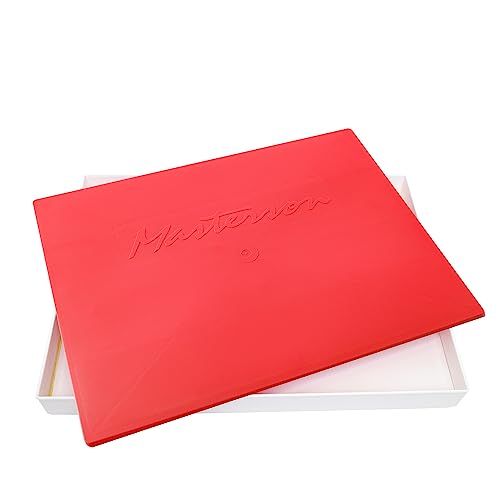
Masterson Sta-Wet Premier Palette
Artist-grade airtight wet palette originally designed for acrylic painters, with a generous working surface and a proven sponge-and-paper system.
Vallejo Game Color 16-Bottle Starter Set
The most practical beginner palette in the hobby: 16 dropper-bottle acrylics covering every major colour group, formulated for plastic and metal miniatures.

Raphael 8404 Kolinsky Sable Brush Size 1
The hobby community's benchmark Kolinsky sable brush: a fine point that holds its tip through long sessions and snaps back cleanly between strokes.
Keep reading
Related comparisons
Related roundups
FAQ
Frequently asked questions
How long does paint stay workable on a wet palette?+
On a properly set up wet palette with a well-sealing lid like the Redgrass Everlasting, standard acrylic miniature paint stays workable for a full painting session of four to six hours without any maintenance. Sealed overnight, most paints remain usable the following day. After two to three days, paint quality degrades even in a sealed palette and should be refreshed.
Why is my paint too runny on the wet palette?+
The sponge is too saturated. If the sponge is dripping or water is pooling on its surface, it pushes too much moisture through the palette paper and dilutes paint from below. Wring the sponge slightly or allow it to absorb back before laying the paper, and check that no water is pooling under the paper. The sponge should be uniformly damp, not wet enough to squeeze water out.
Can I use a wet palette with oil paints?+
No. Wet palettes are designed for water-based acrylics. Oil paints do not thin with water, and the moisture from the sponge would not extend their working time. Oil painters use a glass or ceramic dry palette, or a stay-wet palette specifically designed for oils. If you use both acrylics and oils in your miniature painting, keep separate palettes for each.